From Netflix to LinkedIn Premium, subscriptions promise convenience and choice — but are we endlessly renting our lives without owning anything? Let’s explore digital habits, hidden costs, and psychological traps of the subscription era — and consider how we can pursue smarter spending.
“Your Subscription is Renewed”: How My Wallet Got Broken While I Wasn’t Looking
Last week, I got distracted when a notification popped up: “YouTube is raising its subscription price.” It was a simple message, yet it sparked a more in-depth realization: how subscriptions have infiltrated every aspect of modern life, reshaping our spending habits and redefining ownership in the digital age. Raised? Wasn’t I already paying enough for ad-free entertainment? For a moment, I laughed. It’s the new year — pricing hikes seem inevitable, especially with the currency exchange rates between ₺ and €/$ spiraling. But then the reality hit me. How much more would I end up paying in 2025 for all the tools and services I rely on for my freelance work? Microsoft, for instance, recently switched their sales model, canceling alumni university accounts and forcing users into paid memberships. It left me wondering: when did we start paying all day, every day, for the essentials of modern life — without actually owning anything?
Subscribed: Are We Paying for Convenience or Just Endlessly Renting Our Lives?
The shift from buying to subscribing isn’t new. Netflix started it all, offering unlimited content for a small monthly fee. However, this isn’t just about apps or entertainment. It’s about how we’ve been conditioned to think subscriptions are better, cheaper, more convenient. But are they? When you add them all up, those “small monthly fees” become a tidal wave of expenses.
The idea of renting was polished with the promise of freedom of choice. Unlike the censorship and oppression of mass media, digital platforms offered the opportunity to curate your own movies, books, and music. Ad-supported or ad-free — the choice was yours, as long as you were willing to pay. Today, subscription levels reflect a hierarchy of content access. This shift has been fueled by the rise of the influencer economy and the evolution of platforms like Instagram and TikTok into hybrid spaces for entertainment, self-promotion, and e-commerce.
The Role of Credit Cards in the Platform Economy
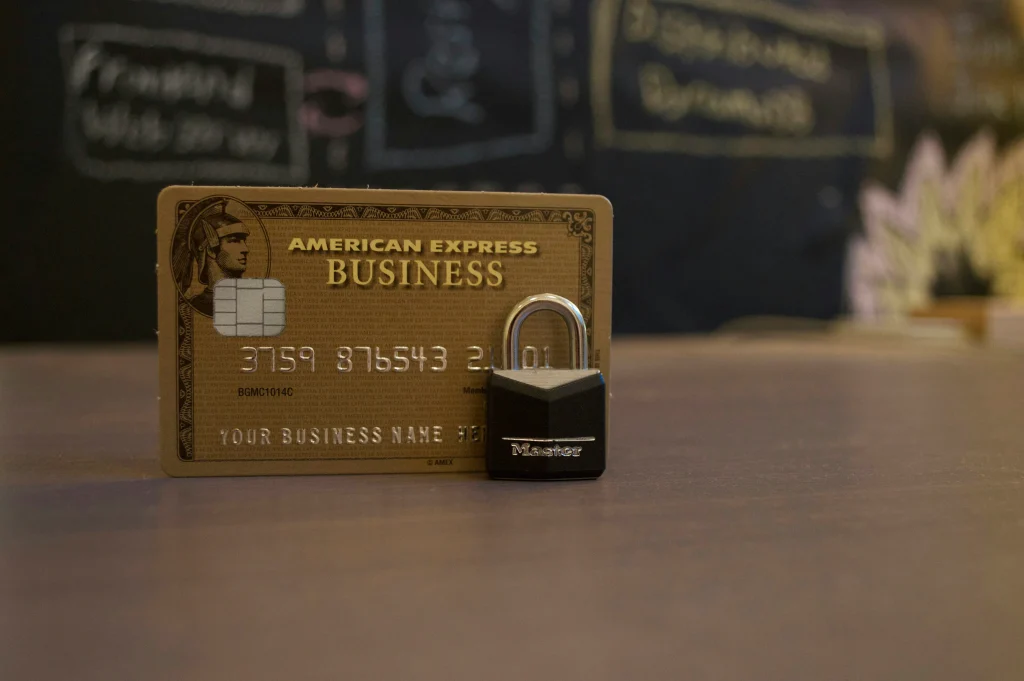
Mark Zuckerberg’s involvement in the Cambridge Analytica case — selling user data for Donald Trump’s political campaign — highlighted the growing economic power of platforms that rely on personal data. This incident illustrates how platforms like Facebook monetize our habits and reshape them — from real life discussions to online personas. Yet, the real game changer for the subscription economy is economical: credit cards. They allow us to spend money we don’t have while enabling e-commerce platforms to thrive. Credit cards and social media platforms are interconnected, feeding each other’s growth and cementing the dominance of the subscription model.
Under these circumstances, subscription services emerged as a cornerstone of the platform economy. They enable an ad-free experience or additional features for paid members, and this model is inevitable from various perspectives:
- Securing customer loyalty in a competitive market.
- Collecting more accurate user data to optimize sales through social media marketing.
- Enhancing relatability to users through targeted marketing, increasing conversion rates.
- Gamifying user experiences to boost engagement and retention.
The Ultimate Membership Categorization on Instagram: Followers, Channel Members, and Subscribers
Considering the intertwined nature of social media and e-commerce, gamification — the process of manipulating individuals to spend more time and money on apps — is their shared lifeline. Gamification fuels the addiction to follow and be followed.
Instagram exemplifies this phenomenon. Initially designed as a social app, it has transformed into a shopping mall. What began as a platform for sharing filtered photos has evolved into a space for self-promotion and sales, driven by Meta’s efforts to shift user perception. Features like Stories, Reels, and product tagging have turned Instagram into a critical component of the neoliberal culture industry, where marketing feeds e-commerce and vice versa.
The diversification of communication channels — comments, DMs, private channels, and subscription models — has further stratified the platform’s user base. For content creators and followers alike, this means producing and consuming content at different levels of reliability, exclusivity, and premium value. Ask yourself: How many subscriptions would you consider worth paying for exclusive content on social media? And how many can you realistically afford? This is the psychology behind the subscription economy.

Paying Little — But Spending More Overall
Subscriptions trick us into believing we’re spending less because payments are spread out. In reality, we’re often paying more than we would for outright purchases. Imagine the administrative burden of manually renewing memberships without the convenience of automated billing. Automated billing creates an illusion of simplicity, making it easier to ignore the cumulative impact of small payments. This invisibility encourages unchecked spending, as the true cost of multiple subscriptions is hidden behind seamless transactions. The seamless nature of subscription fees — enabled by credit cards — obscures just how much we’re spending.
As research from the Wharton School highlights, the psychological impact of subscription fees can lead to a “sunk cost fallacy.” Consumers justify their spending by increasing usage, which can result in further financial strain.
“The subscription model capitalizes on consumer behavior, turning small, incremental costs into significant financial commitments over time.”
— Iyengar, R., Park, Y.-H., & Yu, Q., The Impact of Subscription Programs on Customer Purchases (2022)
And it’s not just about entertainment. Even finding a job now involves subscriptions. LinkedIn Premium, anyone? Imagine being broke and desperate for work, only to realize you need to pay to stand out. Why? Because algorithms. What? Say it again?
Conclusion: A Temporary Fix in a Precarious World
Most of us don’t even know how much we’re spending on subscriptions. When I started tallying mine, I realized I was paying for things I couldn’t cancel: Microsoft, Gmail, Spotify, YouTube, Adobe, Canva, and Medium are my life circle’s basics. I’ll probably subscribe to Linktree Premium next week because linking Instagram posts to my blog is essential for marketing. Do you see, how I am #hooked?
But what do I get in return? Just temporary access.
We no longer own our entertainment, our tools, or even our homes(— tell the big boss, mortgage is dead!). Now, we’re just endlessly renting, with no ownership in sight.


